
Building a Preventative Maintenance Schedule for Your Fire Apparatus Fleet
By SEMS Fire · · 3 min read
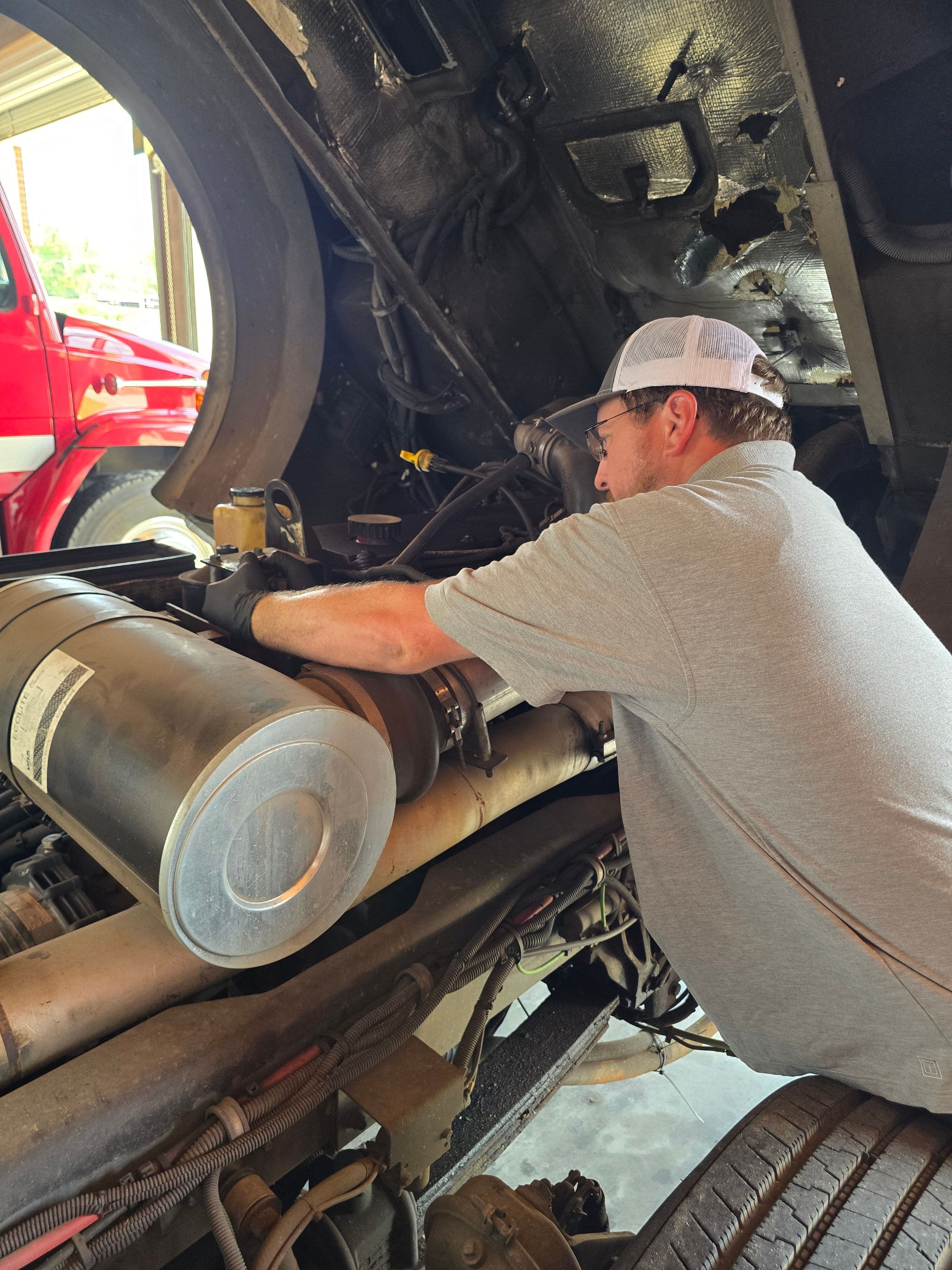
Most departments know their apparatus need regular maintenance. The harder part is seeing the whole fleet at once: which unit is due for what, what was done last, and which recommendations from the last visit are still waiting on a decision. A simple preventative maintenance schedule fixes that.
This guide is for chiefs, fleet officers and the person who ends up holding the maintenance folder. It is about organizing the schedule, not about performing maintenance.
Quick answer: what a fleet maintenance schedule needs
One row per apparatus, with:
- Unit number, type (engine, tanker, rescue, ladder, brush), make, model and year.
- Each recurring item you track, with its last completed date and next due date: chassis service, pump test and pump maintenance, and other recurring inspections your department follows.
- Open recommendations from the last report, each with an owner.
- Where the supporting records are filed.
Build intervals from the apparatus and component manufacturers' guidance and the standards your department has adopted. NFPA publishes standards covering in-service emergency vehicles; confirm which documents and editions apply to you. Set each interval from the requirements that apply to that apparatus and component.
Start with a complete fleet list
List every apparatus, including reserve units and brush trucks that see little use. Low-use apparatus are the easiest to forget and still need their scheduled work.
For each one, pull the most recent service paperwork. Where records conflict or are missing, mark the item unknown rather than guessing the date.
Separate recurring work from one-off concerns
Recurring items belong on the schedule. A reported problem needs a linked defect record and its own assessment; it should not be treated as completed just because a routine visit is booked. Our article on telling repair from maintenance explains how to keep the two apart so a concern is not buried in a routine visit.
Group work to protect coverage
Look across the fleet for items that come due close together. Ask whether related work on the same unit can be scoped together, and whether units need staggered appointments. Do not assume that combining work or a particular turnaround is available. Coverage decisions stay with the department; share your limits with the provider when you schedule.
SEMS lists fleet maintenance and apparatus service along with pump testing and preventative maintenance on its public services page, so recurring chassis and pump work can be discussed together. Ask the office what it can scope for your apparatus.
Close the loop after every visit
After each visit, update the row: what was completed, what was found, and what is recommended. Every recommendation gets an owner and a next step, even if the next step is "budget request next fiscal year."
That last step ties the schedule to your budget. Our October 1 fiscal year testing plan covers turning planned work into a budget request.
Questions departments ask
Should the schedule be a spreadsheet or software?
Either works if one person owns it and it is updated after every visit. The format matters less than keeping one current list.
How often should we review it?
Pick a fixed point, such as monthly officer meetings and the budget cycle, and review the whole fleet each time.
Can SEMS help set up the schedule?
Send the office your fleet list and recent records and ask what maintenance program SEMS can scope for your apparatus.
Get help scoping your fleet maintenance
Send SEMS your fleet list, recent service records and the work coming due. Call (251) 282-0958 or email semsfire@gmail.com. Public contacts: SEMS team page.
Related service: Fleet Maintenance & Apparatus Service