
Hydrant Maintenance in Alabama: Build a Usable Service Record
By Jason White, Owner · · 4 min read
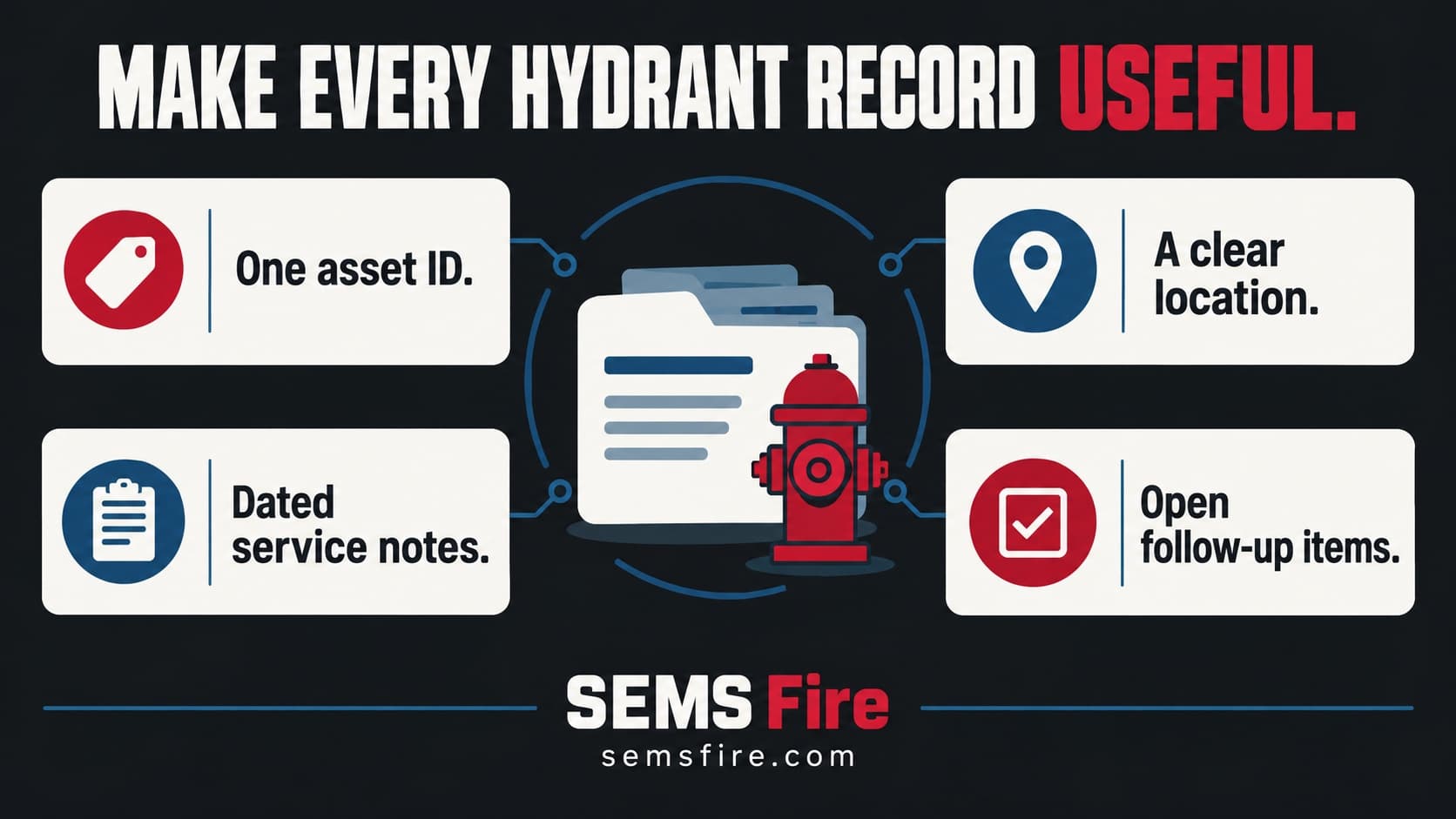
Your hydrant map says where the asset is. The latest service report says what a technician found. A separate email may explain why a repair has not been approved. If those records never connect, the next person has to assemble the story from scratch.
A useful hydrant maintenance record keeps that history together. For an Alabama department, municipality or water system, the goal is practical: make it easy to identify the right hydrant, find the latest evidence and see what still needs attention.
The record does not have to start in a complicated platform. A controlled asset list with clear links to supporting documents can provide a workable foundation, provided someone is responsible for maintaining it.
Choose one asset identifier
Begin with the identifier used by the asset owner. Keep it consistent across maps, service requests, photographs, reports and invoices. If different teams use different labels, add a cross-reference field rather than silently replacing one identifier with another.
Be especially careful when a hydrant is replaced. Decide with the owner whether the location keeps its identifier and how the old equipment history will be distinguished from the new equipment. A replacement should not make the earlier records appear to describe the new hydrant.
Record changes with a date and the person who supplied them. That allows someone to resolve a mismatch later without guessing which file is current.
Make location information useful to another person
A GPS point, street description and asset ID serve different purposes. Keep them together. A street description helps people recognize the site; coordinates connect the asset to the map; the identifier links it to the service history.
If field information conflicts with the map, mark the discrepancy for review. Do not create a second hydrant entry simply because two descriptions look different. Ask the asset owner to resolve uncertain matches.
Include access notes where useful, such as the site contact or a controlled entrance. Keep sensitive facility information in the appropriate internal record rather than placing it in public maps or unrestricted attachments.
Separate asset details from service events
The asset record describes the hydrant. A service event describes a particular visit. Keeping those two ideas separate prevents a new note from erasing earlier work.
Asset details might include the identifier, location, ownership and verified equipment information. Each service event should have its own date, report reference, provider and summary of what the documentation says was completed.
Keep the original report attached or linked. A short summary helps someone scan the history, but it should not replace the source document or turn a qualified observation into a firm conclusion.
SEMS's hydrant service offering includes GPS mapping, maintenance, testing and reporting. Ask which records will be supplied for the particular work you are scheduling and how they will match your existing inventory.
Give open work its own place
A finding can remain unresolved across more than one visit. Put open follow-up items in a dedicated section rather than relying on someone to reread every old report.
For each item, record the finding, its source, the responsible contact, the next action and a follow-up date. When work is completed, attach the outcome and preserve the earlier entry. If an assessment changes the proposed action, record that change instead of deleting the original concern.
Our hydrant deficiency follow-up guide explains how to turn those open items into clearer service requests. The same asset ID should follow the issue from the first report through the documented outcome.
Agree on a handover format before the visit
Ask for a sample of the report structure before booking a larger program. This is the time to find out whether your team will receive individual documents, an export, photographs or another format, and what is included in the agreed scope.
Consider these questions:
- Can the report be matched to each existing asset ID?
- Are the visit date and work performed clear?
- Are unresolved findings easy to identify?
- Can authorized staff retrieve the record without relying on one person's inbox?
- Who will correct an asset detail if a mismatch is found?
Keep a current copy in your organization's approved storage. Access to a provider's portal can be useful, but the department should know who is responsible for retaining its own service history.
Review the record when responsibilities change
When a coordinator retires, a district changes or a new provider is engaged, use a few sample hydrants to test the handover. Ask the incoming person to locate the last service report and explain the next action for an open item.
Any point where they have to guess identifies a gap worth fixing. This small check can reveal missing identifiers, inaccessible attachments or notes that made sense only to their author.
Bring your current records to the conversation
A useful starting package is your existing inventory, the last available service report and a list of known record gaps. You do not need to make every document perfect before discussing the next visit.
Contact SEMS with your organization, location and approximate hydrant count. Mention whether the priority is maintenance, mapping, testing or reconciling the service history so the office can help define the appropriate scope.
Related service: Hydrant GPS Mapping, Maintenance, Flow Testing & Painting